New Ukrainian narratives in Europe: art that unites
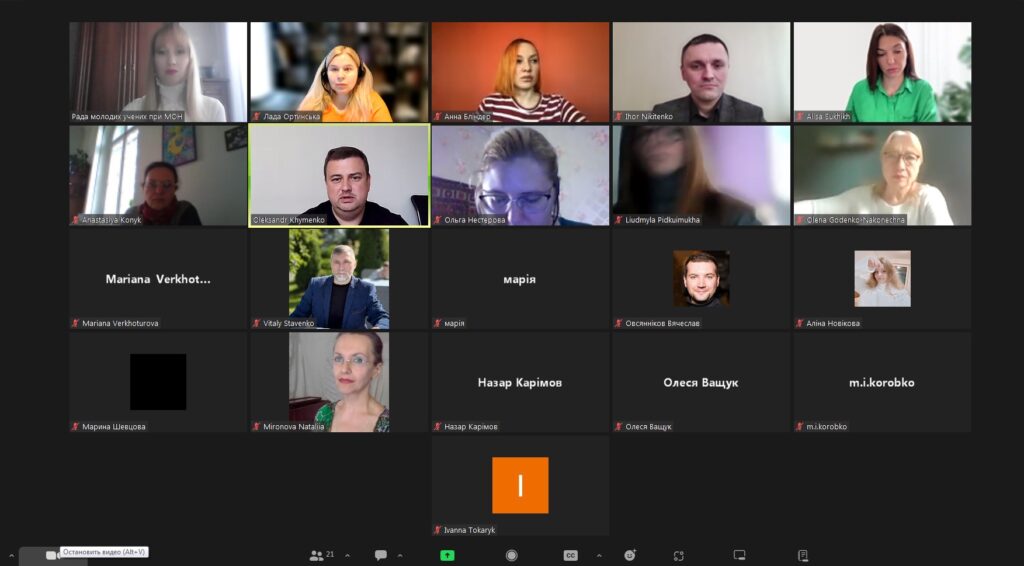
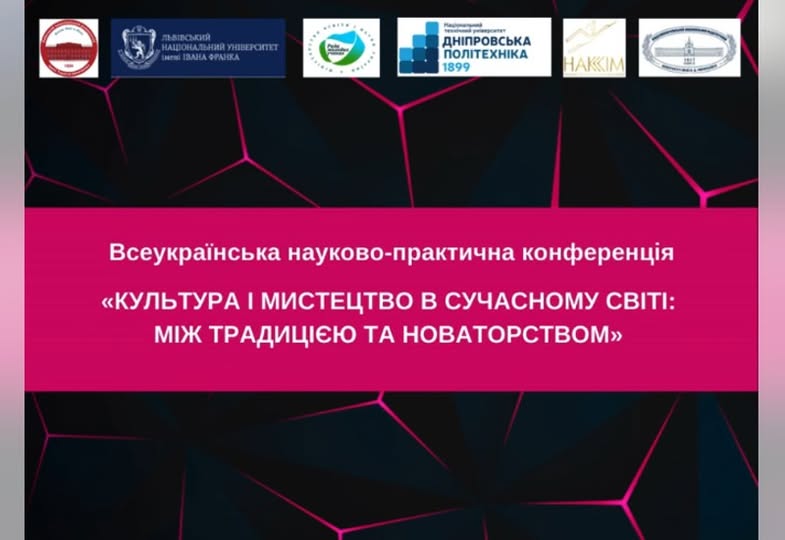
The founder of the international charitable organisation ‘RUTENIA’ (Belgium), Lada Ortynska, delivered a speech at the Ukrainian scientific and practical conference ‘CULTURE AND ART IN THE MODERN WORLD: between tradition and innovation.’
Greetings, dear organisers of the conference and guests of the event. My name is Lada Ortynska, I am the founder of the international charitable organisation ‘RUTENIA’ and a representative of our small but very active Ukrainian community in Mechelen, Belgium.
Given that Belgium is not a very large country in terms of territory, our activities are not limited to the city – we usually hold most of our events in the capital, Brussels, and other neighbouring cities such as Ghent.
I should note that Ukraine’s cultural presence in Europe has grown significantly in recent years.
In the context of the war and global attention to Ukrainian identity, art has become not only a form of struggle and resistance to Russian aggression, but also a powerful tool for dialogue between Ukraine and EU countries. After all, Ukrainian art best demonstrates the European nature and related civilisational identity of our cultures. It is primarily thanks to art, traditional and contemporary culture, that Ukrainians are perceived as Europeans in Europe.
Take, for example, the series of Ukrainian Film Festivals that took place in key cities in Belgium – Brussels, Antwerp, Mechelen and Ghent. It so happens that cinema is the easiest genre for presenting culture, as it does not require much effort to perceive and understand the events on screen. And cinema conveys foreign life and foreign culture in the best possible way. Therefore, it is no surprise that Ukrainian film festivals were sold out, and guests lingered in the corridors for a long time, trying to calm their emotions. Such presentations of Ukrainian culture resonate deeply and yield the best practical results. Because when Belgians see the real stories of real people on screen, what those people have had to go through, compassion and the desire to help override all other desires. That is why film festivals are very effective in raising aid for our war-torn country.
Photo exhibitions are no less important. One of them, entitled ‘Free and Immortal Ukraine,’ has just opened in Mechelen. Essentially, photo exhibitions from Ukraine are usually chronicles of the war, glorifying heroes and faces of resistance, capturing the courage and daily life of Ukrainians, but also documenting war crimes and war criminals from Russia.
From 26 May to 8 June, the Begijnhofkerk church in Mechelen will host another exhibition, this time a solo exhibition by Alina Denisenko, an artist from Kharkiv who uses her thread mandalas (a traditional genre of graphic art in Buddhism) and paintings to speak about war, memory and spiritual strength.
It would be impossible to list all the Ukrainian art events that have taken place in Belgium. But I must mention the exhibition of paintings by Mariana Wiener, an artist from Kyiv who works in various genres and styles. I would also like to mention that this exhibition was presented at the Ukrainian Club in Mechelen – yes, we, the local Ukrainians, have our own club, and I can assure you that it is very active.
At the same time, there were exhibitions by David Haise, ‘Viktori(Ya)’ and Belgian artist Geys Vanhe, whose works, created under the influence of the war in Ukraine, make the viewer think about home, freedom and loss.
The annual meeting on Embroidery Day at the Grand Place in Brussels, organised by the Ukrainian national scout organisation Plast in Belgium, was particularly warm. Singing Ukrainian songs together, embroidery, laughter and tears – all this became a touch of the authentic, living Ukrainian spirit in the heart of Europe.
The cultural life of the community is also expanding in the areas of gastronomy, music and fairs, all of which can also be considered typical manifestations of traditional Ukrainian culture. The Ukrainian Cultural Fair in Mechelen (14 June), organised by Belgian art historian Jan Van Wunsele in collaboration with the Ukrainian community, was a powerful event of unity. Performances by artists, Ukrainian food tasting, souvenir sales and live music made this event a shining example of a cultural bridge between peoples.
Particularly memorable was the concert by a military orchestra from Ukraine in Antwerp at the AMUZ hall – an event that combined patriotism, dignity and inspiring music.
Ukrainian art today is not just about beauty. It is about truth, pain, memory and hope. Ukrainian artistic narratives in Belgium are taking on new forms, becoming part of the European landscape and resonating in people’s hearts. There are still many challenges ahead, but also endless opportunities.
What is needed for the further development of this direction?
- Systematic support for artists in exile — funding, residencies, cooperation networks.
- Institutional presence of Ukrainian cultural centres in key EU capitals.
- Joint projects with European museums, galleries, and festivals.
- Educational and curatorial programmes dedicated to Ukrainian culture.
- Translation and promotion of Ukrainian content in different languages.
All this is not just cultural work. It is a contribution to the restoration, subjectivity and future of the Ukrainian nation. And at the same time, it is an opportunity for Europe to get to know itself better through its acquaintance with Ukraine.